








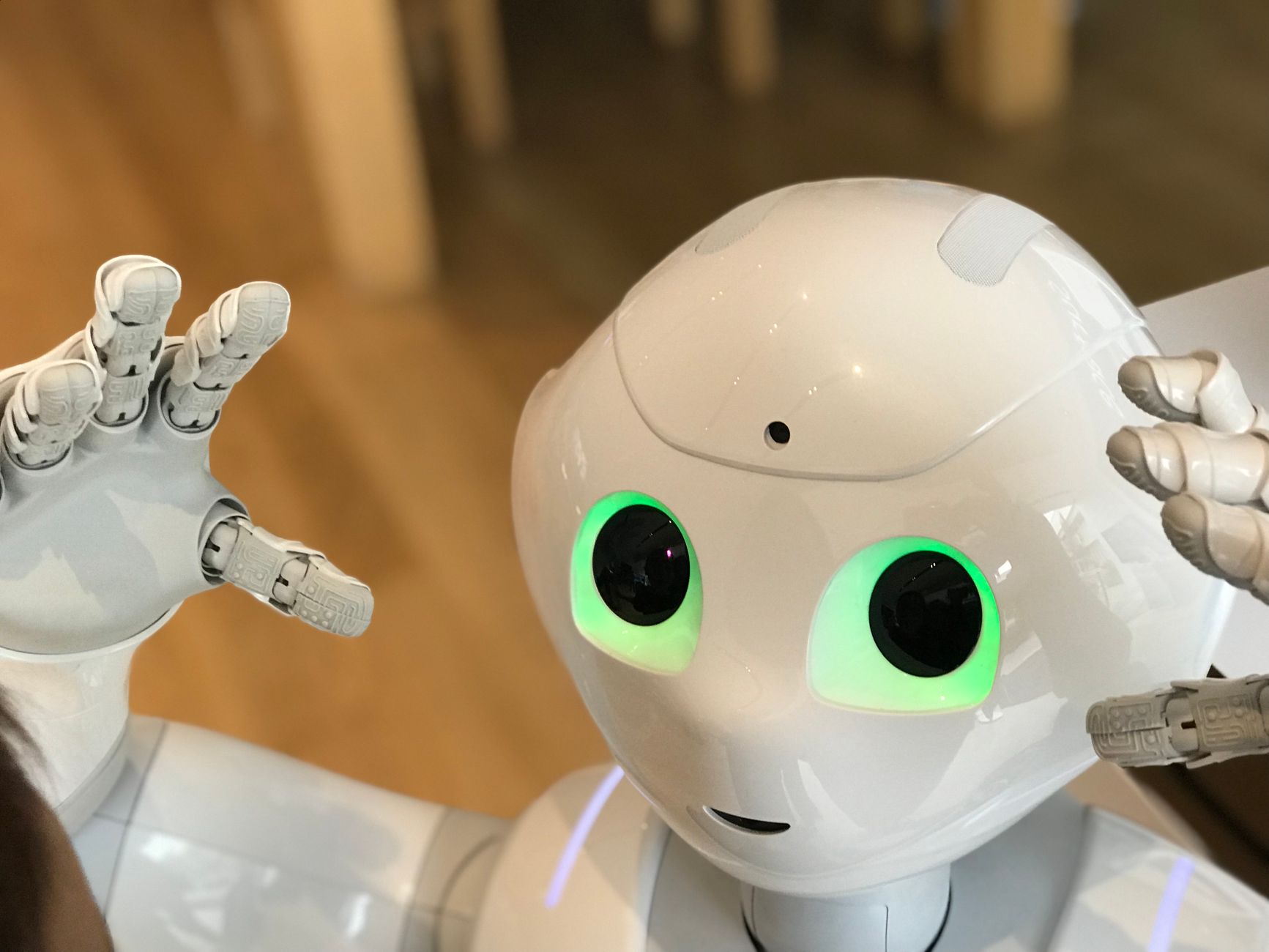
Microsoft AI agents are revolutionizing the workplace as the tech giant envisions 20 million AI agents taking on various tasks. This shift comes amid significant changes in employee structure.
The Vision Behind Microsoft’s AI Agents
The vision behind Microsoft’s AI agents is rooted in the company’s commitment to enhancing productivity and efficiency across various sectors. As organizations increasingly seek innovative solutions to streamline their operations, Microsoft envisions a future where AI agents play a crucial role in transforming the workforce.
Satya Nadella, Microsoft’s CEO, has articulated a bold ambition: to deploy 20 million AI agents capable of handling a range of tasks traditionally performed by human employees. This strategic move comes at a time when Microsoft is also offering exit packages to approximately 60,000 employees, indicating a significant shift in its operational model.
By leveraging cutting-edge technology, these AI agents are designed to augment human capabilities rather than replace them. This vision not only aims to reduce costs but also to empower employees by allowing them to focus on more complex and creative aspects of their jobs.
As part of this initiative, Microsoft is investing heavily in research and development to ensure that its AI agents are equipped with advanced functionalities. The company believes that a well-integrated AI workforce can lead to unprecedented levels of efficiency and innovation.
In summary, the development of Microsoft’s AI agents reflects a forward-thinking approach to workforce management, positioning the company at the forefront of the technological revolution.
Impact on Workforce Dynamics
The introduction of Microsoft AI agents is poised to significantly reshape workforce dynamics across various industries. As organizations increasingly integrate these advanced technologies, the traditional roles of employees may evolve, leading to a redefinition of job responsibilities.
In a recent address, Microsoft’s CEO envisioned a future where up to 20 million AI agents could handle routine tasks, allowing human workers to focus on more strategic and creative endeavors. This shift could result in both opportunities and challenges for employees:
- Enhanced Productivity: By automating mundane tasks, Microsoft AI agents can enable workers to allocate their time to higher-value projects, potentially increasing overall productivity.
- Skill Adaptation: Employees may need to develop new skills to work alongside AI agents effectively, emphasizing the importance of continuous learning and adaptability in the modern workforce.
- Job Redefinition: Certain roles may become obsolete, while others will evolve. Employees will need to navigate this changing landscape and identify how they can add value in a tech-driven environment.
- Work-Life Balance: With AI handling repetitive tasks, employees might experience improved work-life balance, reducing burnout and fostering a healthier workplace.
Ultimately, the integration of Microsoft AI agents represents a transformative force in how work is conducted, requiring individuals and organizations to embrace change and innovation.
Challenges of Implementing AI
As the integration of Microsoft AI agents into the workplace accelerates, companies face several challenges that must be addressed to maximize their potential. The rapid deployment of these intelligent systems can lead to resistance among employees who may fear job displacement or lack the necessary skills to collaborate with AI effectively.
Additionally, organizations must navigate the complexities of data privacy and security. Implementing AI agents requires access to vast amounts of sensitive information, raising concerns about how that data is managed and protected. A breach could undermine trust in the technology and hinder its adoption.
Another significant challenge is ensuring that the AI systems are trained properly. Inaccurate or biased data can lead to flawed outputs, reducing the effectiveness of Microsoft AI agents and potentially causing harm to the organization’s reputation. Continuous monitoring and updates are essential to maintain high performance and reliability.
Moreover, the integration process itself can be resource-intensive, demanding substantial time and financial investment. Businesses must weigh the costs against the potential benefits, making strategic decisions about how and when to implement these transformative tools.
In summary, while the promise of Microsoft AI agents is substantial, overcoming these challenges will be critical to ensuring successful implementation and achieving desired outcomes.
Future of Work with AI
The future of work is rapidly evolving as Microsoft AI agents are set to redefine how tasks are performed across various industries. With the integration of advanced AI technology, many businesses are poised to enhance productivity and streamline operations significantly.
As Microsoft envisions a landscape where up to 20 million AI agents could assist or even replace human workers, the implications are profound. Companies can expect an increase in efficiency as these intelligent systems take on repetitive tasks, allowing employees to focus on more strategic and creative endeavors. This shift not only promises to boost productivity but also to foster innovation as teams can dedicate their time to solving complex problems.
However, this transformation also raises questions about the nature of work and job security. While AI agents can handle mundane tasks, there is a pressing need for organizations to invest in upskilling their workforce. Preparing employees for roles that require human insight, emotional intelligence, and critical thinking becomes essential as AI takes over more routine responsibilities.
Ultimately, the collaboration between Microsoft AI agents and human workers could lead to a dynamic workplace where technology empowers employees rather than displacing them. Embracing this change will be crucial for companies aiming to thrive in an increasingly automated world.
Employee Reactions to Changes
As Microsoft rolls out its AI agents initiative, employee reactions have been mixed, reflecting a range of emotions from optimism to apprehension. Many employees are intrigued by the potential of Microsoft AI agents to enhance productivity and streamline workflows. They believe that these agents could handle mundane tasks, allowing them to focus on more creative and strategic aspects of their jobs.
However, there is also a significant concern about job security. Some employees fear that the integration of AI agents might lead to redundancies, especially after the company’s recent announcement to offer exit packages to 60,000 employees. This has sparked debates among staff about the future of their roles within the organization.
To better understand the sentiments surrounding this transition, we gathered feedback from various teams:
- Optimism: “I see AI agents as a tool that can help us work smarter, not harder.”
- Concerns: “It’s hard not to worry about how AI will impact our jobs in the long run.”
- Curiosity: “I’m excited to see how these agents can change our daily tasks for the better.”
Ultimately, as Microsoft continues to implement AI technology, the balance between embracing innovation and ensuring job security remains a key topic among employees.
Benefits of AI in Business
As businesses increasingly adopt technology to enhance efficiency, the introduction of Microsoft AI agents offers several compelling benefits that can transform operations. These intelligent systems are designed to automate routine tasks, allowing employees to focus on more strategic initiatives.
One of the primary advantages is improved productivity. With AI agents handling repetitive functions, such as data entry and scheduling, organizations can streamline workflows and reduce the time spent on mundane tasks. This leads to a more engaged workforce that can dedicate their skills to higher-level problem-solving and innovation.
Additionally, Microsoft AI agents enhance decision-making processes. By analyzing vast amounts of data quickly, these agents provide insights that empower businesses to make informed choices. This capability can lead to more effective strategies and a competitive edge in the market.
Cost efficiency is another significant benefit. By minimizing human error and optimizing resource allocation, companies can reduce operational costs, ultimately improving their bottom line. Moreover, with AI agents providing real-time support, customer service can reach new levels of satisfaction.
- Increased Productivity: Focus on strategic tasks.
- Enhanced Decision-Making: Data-driven insights.
- Cost Efficiency: Reduced operational costs.
In summary, the integration of Microsoft AI agents into business processes not only boosts efficiency but also fosters a more dynamic and innovative workplace.
Comparing AI Solutions
As businesses increasingly adopt AI technologies, the landscape of available solutions continues to evolve. When comparing various AI solutions, it is crucial to consider factors such as functionality, scalability, and integration capabilities. Microsoft AI agents stand out due to their ability to seamlessly integrate with existing workflows and tools, enhancing productivity without overwhelming employees.
Many organizations are exploring alternatives such as:
- Custom-built AI systems: These can be tailored to specific business needs but often require significant resources and time for development.
- Third-party AI platforms: While these may offer quick deployment, they often lack the deep integration that Microsoft AI agents provide.
- Open-source AI frameworks: These options can be cost-effective but may involve a steep learning curve and ongoing maintenance challenges.
Additionally, the adaptability of Microsoft AI agents allows businesses to adjust their operations as market demands change. The potential for rapid deployment and user-friendly interfaces makes them an attractive choice for companies looking to enhance efficiency.
Ultimately, selecting the right AI solution depends on a company’s specific needs, resources, and long-term vision. As Microsoft continues to innovate, its AI agents are likely to remain a strong contender in the competitive landscape of artificial intelligence solutions.
Conclusion: The Path Ahead
As we look to the future, the emergence of Microsoft AI agents signifies a pivotal shift in how businesses operate. These intelligent systems are designed to enhance productivity by automating routine tasks and providing valuable insights. However, the successful integration of such technology requires a balanced approach that prioritizes both efficiency and workforce well-being.
While the benefits of Microsoft AI agents are evident, organizations must also navigate the complexities of workforce dynamics. Many employees may feel apprehensive about the changes, fearing job displacement and the loss of human interaction in the workplace. To address these concerns, companies must foster an environment of transparency and support during the transition. This involves reskilling programs and open communication about the role of AI in augmenting human capabilities rather than replacing them.
Moreover, businesses should remain adaptable, continuously evaluating the impact of AI agents on their operations. As these technologies evolve, so too will the strategies needed to harness their full potential. By embracing innovation while also valuing the contributions of their workforce, organizations can create a harmonious balance that leverages the strengths of both humans and AI.
In conclusion, the path ahead with Microsoft AI agents is filled with opportunities and challenges. By approaching this transformation thoughtfully, businesses can boost efficiency and create a more dynamic future.
Photo by Laura Musikanski on Pexels
Sources
RBI Re-KYC Alert: Easy Steps to Update Your Bank Details Safely · U.S. Anthropic IPO: Quick Insights on Lowered Listing Target · Berkshire Hathaway Stock Forecast: Is It the Right Time to Buy?