







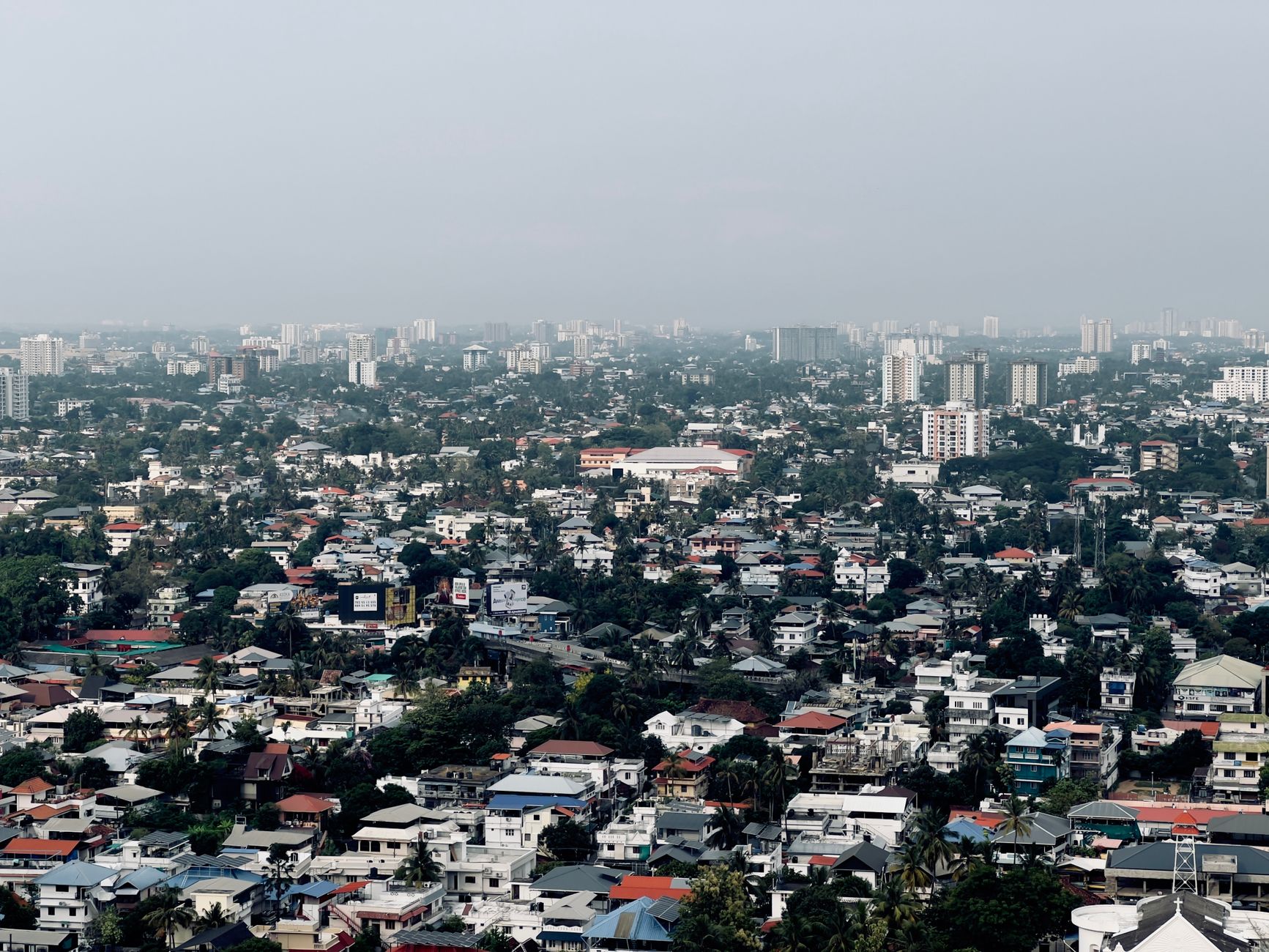
India growth outlook is showing promising signs, but energy risks could potentially hinder this expansion. The logistics sector must navigate these challenges carefully.
Current State of India’s Economy
The current state of India’s economy presents a complex picture as the nation strives for growth amid various challenges. Recent reports indicate that while the India growth outlook remains positive, several risks loom that could hinder progress.
One of the central themes in the analysis of India’s economic landscape is the persistent concern over energy supply and costs. With global energy prices fluctuating significantly, Indian industries face the challenge of maintaining momentum without incurring excessive costs. This unpredictability poses a threat to the manufacturing sector, which has been a key driver of growth.
Additionally, inflation continues to be a pressing issue. Rising prices for essential goods and services have strained consumer purchasing power, reducing overall demand. In this context, policymakers are tasked with balancing growth ambitions while ensuring economic stability.
Furthermore, the global economic environment remains uncertain. As developed markets grapple with their own issues, India’s exports could face headwinds. The ongoing geopolitical tensions and supply chain disruptions add another layer of complexity to the growth outlook.
- Energy supply challenges
- Inflation affecting consumer demand
- Global economic uncertainties
In conclusion, while the potential for growth exists, these risks must be carefully navigated to sustain India’s economic expansion.
Impact of Energy Risks on Growth
The economic landscape of India is currently marked by a complex interplay of growth prospects and looming energy risks. As the nation strives to maintain its growth trajectory, several challenges related to energy supply and prices pose significant threats to this outlook.
One major factor contributing to the uncertainty is the volatility in global energy markets. This instability affects not only the cost of energy but also the overall economic confidence. Key impacts include:
- Inflationary Pressures: Rising energy prices lead to increased production costs, which are often passed on to consumers, further fueling inflation.
- Investment Hesitancy: Businesses may delay investments in expansion due to unpredictable energy costs, hindering potential growth opportunities.
- Supply Chain Disruptions: Energy shortages can disrupt manufacturing and logistics, creating bottlenecks that impact economic performance.
Moreover, as India aims to transition to greener energy sources, the shift may initially introduce its own set of challenges. The reliance on fossil fuels remains significant, and any disruption in supply could have immediate repercussions on the economy.
In summary, while the India growth outlook remains positive, the overshadowing risks related to energy must be addressed to ensure a stable and sustainable expansion in the coming years.
Logistics Sector’s Role in Expansion
The logistics sector plays a pivotal role in shaping India’s growth outlook, acting as a backbone for various industries and facilitating trade across the nation. With the country poised for economic expansion, investment in logistics infrastructure is essential to harness the potential of this sector.
According to experts, several factors contribute to the logistics sector’s significance:
- Infrastructure Development: The government’s focus on improving transportation networks, including roads, railways, and ports, enhances the efficiency of goods movement.
- Technological Advancements: Innovations in logistics technology, such as automation and data analytics, streamline operations and reduce costs, thus promoting competitiveness.
- Policy Support: Initiatives like the Goods and Services Tax (GST) have simplified tax structures and improved supply chain efficiency, boosting the logistics industry.
- Growing E-commerce: The surge in e-commerce has dramatically increased demand for logistics services, creating new opportunities for growth and expansion.
However, the logistics sector is not without its challenges. Issues such as regulatory hurdles, high operational costs, and inadequate infrastructure in certain regions can impede progress. As India’s growth outlook remains positive, addressing these challenges is vital to ensuring that the logistics sector continues to support economic expansion effectively.
Government Initiatives for Growth
The Indian government has implemented several initiatives aimed at bolstering the country’s growth outlook amidst various challenges. These initiatives are designed to enhance infrastructure, attract investment, and promote innovation across sectors.
One of the key initiatives is the Production-Linked Incentive (PLI) scheme, which incentivizes manufacturing in sectors such as electronics, pharmaceuticals, and textiles. This program aims to boost local production and reduce dependency on imports, contributing to the overall growth outlook of India.
Additionally, the National Infrastructure Pipeline is a significant undertaking that seeks to invest approximately $1.4 trillion in infrastructure projects over the next few years. This investment is expected to improve logistics, connectivity, and public services, further supporting economic expansion.
The government is also focusing on enhancing the digital economy by promoting initiatives like Digital India, which aims to increase internet access and digital literacy across the nation. This push for digital transformation is expected to create new opportunities and drive growth.
Furthermore, the government’s commitment to renewable energy is crucial, as it seeks to mitigate energy risks and ensure sustainable development. By investing in solar and wind energy, India aims to reduce its carbon footprint while fostering economic growth.
Despite these positive initiatives, the growth outlook for India remains tempered by external pressures and energy risks that could hinder progress.
Future Projections for India
As analysts assess the India growth outlook, several future projections indicate a mixed landscape influenced by both global and domestic factors. While many economists predict a steady growth trajectory, the potential for disruptions remains a significant concern.
Key areas to watch in the coming quarters include:
- Inflation Trends: Persistent inflation could dampen consumer spending, which is crucial for sustaining economic momentum.
- Global Economic Conditions: International market fluctuations, especially in trade partners, may impact India’s export-driven sectors.
- Investment in Infrastructure: Continued investment in infrastructure development is essential for enhancing productivity and fostering growth.
- Technological Advancements: Embracing digitalization and innovation can significantly boost efficiency and competitiveness.
- Policy Adjustments: The government’s ability to adapt policies in response to economic challenges will play a pivotal role in shaping the growth outlook.
Moreover, the geopolitical landscape is also a factor that could influence investor confidence and economic stability. As India strives to position itself as a global economic powerhouse, addressing these risks while capitalizing on opportunities will be vital for achieving sustainable growth.
Overall, while the India growth outlook holds promise, careful navigation of these challenges will be necessary to realize its full potential.
Challenges Facing the Logistics Industry
The logistics industry in India is currently navigating a series of challenges that could impede its role in the overall growth outlook of the country. These challenges are multifaceted and stem from both external and internal factors.
- Infrastructure Limitations: Despite significant investments, the logistics infrastructure is still lagging behind, with inadequate road networks and inefficient transport systems. This hampers the timely movement of goods and increases operational costs.
- Regulatory Hurdles: The complex regulatory environment often leads to delays and confusion. Businesses must navigate various compliance requirements, which can detract from efficiency and hinder expansion efforts.
- Technological Adaptation: Many companies in the logistics sector are struggling to adopt new technologies that could enhance efficiency. The slow integration of automation and digital solutions may put them at a competitive disadvantage.
- Labor Shortages: A shortage of skilled labor remains a pressing issue. The logistics sector requires a workforce that is well-trained in modern practices, yet many companies find it challenging to attract and retain talent.
As the country aims to capitalize on its growth potential, addressing these challenges will be crucial to ensure that the logistics sector can effectively support the broader economic landscape. The overall India growth outlook hinges on overcoming these obstacles to enhance operational efficiency and drive economic expansion.
Comparative Analysis with Other Economies
The comparative analysis of India’s growth outlook with other major economies reveals significant insights into its potential trajectory. While India is projected to maintain a robust growth rate, several external factors could influence its stability and sustainability.
Countries like China and Brazil are also navigating similar growth paths, but each faces unique challenges. For instance, China is grappling with an aging population and rising debt levels, while Brazil is dealing with political instability and inflationary pressures. In contrast, India’s demographic dividend positions it favorably for long-term growth, provided it manages its resources wisely.
Despite this advantageous position, India’s growth outlook is overshadowed by clear risks. A global economic slowdown could impact India’s export-driven sectors and reduce foreign investment. Additionally, rising energy prices and supply chain disruptions remain pressing concerns that could dampen growth. In a recent report, analysts highlighted that while India’s domestic consumption remains strong, external vulnerabilities must be acknowledged.
Furthermore, the performance of emerging markets can significantly impact India’s growth trajectory. As other economies recover from the pandemic at differing paces, India’s ability to remain competitive will depend on its strategic initiatives and responsiveness to global economic shifts.
- India’s demographic advantage vs. other economies
- External vulnerabilities affecting growth
- The importance of strategic initiatives
Strategies for Mitigating Risks
As India’s growth outlook shows promise, it is essential to address the clear risks that overshadow this expansion. Various strategies can be adopted to mitigate these risks and ensure sustainable economic progress.
- Diversification of Energy Sources: To combat energy risks, India should invest in renewable energy sources such as solar and wind. This will not only reduce dependency on fossil fuels but also enhance energy security.
- Strengthening Supply Chains: Improving logistics infrastructure can help in minimizing disruptions. Enhancing connectivity between rural and urban areas will create a more resilient supply chain.
- Policy Reforms: Streamlining regulatory frameworks can encourage foreign investment and promote domestic entrepreneurship. Simplified procedures will help businesses adapt quickly to market changes.
- Skill Development: Investing in education and skill development will equip the workforce to meet the demands of a rapidly changing economy. This can improve productivity and innovation.
- Public-Private Partnerships: Collaborations between the government and private sector can lead to more effective implementation of developmental projects, particularly in infrastructure and technology.
By adopting these strategies, India can enhance its growth outlook while effectively managing risks. A proactive approach will be crucial in navigating the challenges that lie ahead and ensuring long-term economic stability.
The India growth outlook remains optimistic, yet it is essential to address the underlying challenges that could hinder progress. As analysts assess the India growth outlook, they emphasize the importance of navigating these clear risks to ensure sustainable development.
Photo by Jomin Thach on Pexels
References
Related stories
Raja Venkatraman stocks: What are the best picks for you? · Bitcoin ETF inflows: Why It’s the Wrong Time to Invest · Sensex rises today: Best proven market trends for investors