




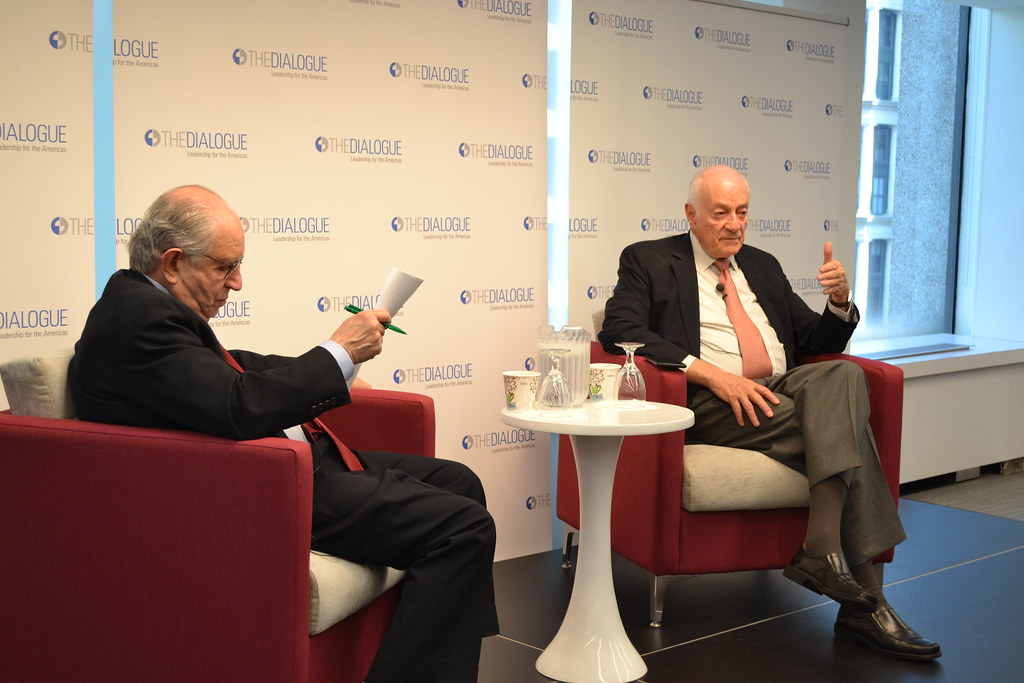
Trump’s criticism of US policy has sparked debates about its validity and implications. Understanding this perspective is crucial for grasping the broader political landscape.
Understanding Trump’s Criticism
Donald Trump has been vocal about his views on U.S. policy, often critiquing various aspects of the government’s approach both domestically and internationally. His criticisms center around several key themes that resonate with a portion of the American public.
- Economic Policies: Trump argues that current economic strategies fail to prioritize American workers, suggesting that excessive regulations hinder business growth.
- Foreign Relations: He often points out that U.S. foreign policies are not beneficial to American interests, advocating for a more isolationist approach.
- Immigration: Trump has consistently criticized immigration policies, claiming they undermine national security and economic stability.
- Trade Agreements: His opposition to existing trade agreements reflects his belief that they disadvantage the U.S. economy, pushing for renegotiation or withdrawal from unfavorable deals.
While some view Trump’s criticism of U.S. policy as justified, others believe his perspective is overly simplistic. Regardless, his arguments have sparked significant debate, influencing public opinion and shaping discussions on the future direction of U.S. policy.
The Impact of US Policy
The impact of US policy on both domestic and international fronts has been a significant topic of debate. In recent times, Trump’s criticism of US policy has sparked discussions regarding the effectiveness and consequences of current strategies.
Many analysts argue that several aspects of US policy could have far-reaching implications, including:
- Economic Growth: The influence of fiscal and monetary policies can either stimulate or hinder economic expansion. Critics suggest that some measures may not align with long-term growth objectives.
- Foreign Relations: The approach to international partnerships and trade agreements plays a crucial role in shaping the country’s global standing. A shift in policy could alter alliances and economic ties.
- Social Issues: Policies affecting healthcare, education, and social justice can lead to societal divisions. Understanding the ramifications of these decisions is vital for national cohesion.
As Trump’s criticism highlights these areas, it becomes essential for policymakers to consider the broader implications of their decisions, ensuring they align with the interests of the American populace.
India’s Interest Rates Explained
As the global economy evolves, countries like India are grappling with the effects of U.S. policy, which has drawn criticism from figures such as Donald Trump. Understanding India’s interest rates is crucial to grasping how these dynamics play out in the larger economic landscape.
India’s central bank has been navigating a complex environment to maintain economic stability. Key factors influencing interest rates include:
- Inflation Control: The Reserve Bank of India (RBI) aims to keep inflation within a targeted range, which directly impacts interest rates.
- Foreign Investment: Higher interest rates can attract foreign capital, boosting economic growth but also increasing borrowing costs.
- Global Economic Trends: Fluctuations in U.S. policy can affect global markets, leading to adjustments in India’s monetary policy.
Trump’s criticism of U.S. policy often underscores how international relations and economic decisions resonate across borders. In this context, India’s approach to interest rates represents a balancing act between fostering growth and controlling inflation, influenced in part by external pressures.
Economic Growth and Criticism
In recent remarks, Donald Trump has sharpened his criticism of US policy, particularly regarding its impact on economic growth. He argues that current policies hinder the ability of American businesses to thrive, which in turn affects job creation and wages. Trump’s perspective highlights several key areas of concern:
- Tax Regulations: Trump believes that high taxes stifle investment and innovation, making it difficult for companies to expand.
- Trade Agreements: He has criticized existing trade deals, claiming they disadvantage American workers and contribute to trade deficits.
- Inflation Control: Trump’s criticism of US policy also extends to how inflation is managed, asserting that current strategies are insufficient to support economic stability.
Furthermore, he points to international examples, such as India’s rising GDP, as a contrast to what he perceives as a stagnating American economy. He suggests that the US could learn from other countries’ approaches to economic management. Ultimately, Trump’s criticism of US policy aims to provoke a reevaluation of strategies that he believes are failing to foster robust economic growth.
Public Perception of Trump’s Views
The public perception of Trump’s criticism of US policy has been a topic of intense debate and analysis. Many Americans resonate with his views, believing that they highlight significant flaws in current governmental strategies.
Surveys indicate that a notable segment of the population agrees with his stance on several issues, including:
- Trade agreements that they feel have negatively impacted American jobs.
- Foreign relations that seem to prioritize other nations over domestic interests.
- Immigration policies perceived as too lenient or ineffective.
On the other hand, critics argue that Trump’s rhetoric often oversimplifies complex issues and can polarize public opinion. They caution that while some of his points may be valid, they risk fostering division rather than constructive dialogue.
Ultimately, the conversation surrounding Trump’s views on US policy remains multifaceted, with supporters and detractors alike passionately voicing their opinions. This ongoing discourse reflects broader societal concerns about the direction of the nation and its policies.
Analyzing Political Reactions
In recent months, Trump’s criticism of US policy has sparked a wide range of political reactions across the spectrum. Supporters argue that his insights shed light on critical issues that require immediate attention, while detractors claim that his views are often misinformed or overly simplistic.
Several key points have emerged in the analysis of these reactions:
- Partisan Divide: Many Republicans rally behind Trump, viewing his critique as a necessary challenge to the status quo, while Democrats often see it as an attempt to undermine progress.
- Policy Implications: Critics of Trump’s rhetoric argue that his comments may lead to confusion regarding foreign relations and domestic policies, potentially jeopardizing bipartisan efforts.
- Media Response: The media’s portrayal of Trump’s criticism of US policy varies greatly, with some outlets amplifying his message, while others seek to debunk it.
Overall, the political landscape remains deeply polarized, and understanding the nuances of these reactions is essential for grasping the broader implications of Trump’s stance on US policy.
The Future of US Policy
The future of US policy remains a pivotal topic, especially in light of Trump’s criticism of US policy. As various sectors of the economy adjust to shifting political landscapes, experts are keenly observing how these critiques might influence future strategies.
One significant area of concern is the approach to international trade. Many analysts believe that Trump’s stances could reshape trade agreements, prompting a reevaluation of existing partnerships. This may lead to a more isolationist framework, impacting global economic relations.
Additionally, domestic policies are likely to undergo transformations as politicians react to Trump’s assertions. The ongoing debate over healthcare, taxation, and infrastructure spending could intensify, as lawmakers grapple with the implications of his viewpoints.
Moreover, public sentiment plays a crucial role in shaping policy directions. As voters respond to Trump’s narratives, policymakers may feel compelled to align with or counter his critiques, affecting legislative outcomes.
Ultimately, the trajectory of US policy will be influenced by a myriad of factors, including economic conditions, public opinion, and the ongoing discourse surrounding Trump’s criticisms.
Trump’s criticism of US policy often highlights the perceived failures of current administration strategies. By examining Trump’s criticism of US policy, we can gain valuable insights into alternative approaches to governance.
By InterAmericanDialogue via Openverse
Read the original
Bitcoin Falls to 2-Year Low: Worst Market Decline Explained · US GDP growth: Is it the Best Time for Investments? · Bitcoin price drop: Is it the worst time to invest?