







India’s record exports are making headlines as they soar to a remarkable $50 billion in October. This surge is primarily driven by strategic policy initiatives aimed at boosting trade.
Overview of India’s Export Growth
India’s export growth has reached unprecedented heights, with the country achieving record exports of $50 billion in October. This remarkable surge can be attributed to a combination of strategic government policies and a resilient manufacturing sector. The government’s focus on enhancing the ease of doing business and implementing export-friendly measures has played a crucial role in this achievement.
Several factors have contributed to this growth:
- Policy Support: Initiatives aimed at boosting exports, such as the Production-Linked Incentive (PLI) scheme, have created favorable conditions for manufacturers.
- Diverse Markets: India has successfully expanded its trade relationships, tapping into emerging markets and strengthening ties with existing partners.
- Sectoral Performance: Key sectors like pharmaceuticals, engineering goods, and textiles have shown exceptional performance, driving overall export numbers upward.
As India’s record exports continue to rise, the benefits are becoming increasingly evident, not only for the economy but also for job creation and international competitiveness.
Factors Driving Export Increase
Several factors have contributed to India’s record exports, which reached an impressive $50 billion in October. These elements highlight the dynamic nature of the country’s trade landscape.
- Government Initiatives: The Indian government has implemented various policies aimed at boosting exports, including financial incentives and streamlined procedures for exporters.
- Global Demand: Increased global demand for Indian goods, particularly in sectors like textiles, pharmaceuticals, and electronics, has played a crucial role in driving export growth.
- Diversification of Markets: Indian exporters have expanded their reach beyond traditional markets, tapping into new regions such as Africa and Latin America.
- Technological Advancements: The adoption of advanced technologies in manufacturing and logistics has improved efficiency, enabling faster and more reliable delivery of goods.
- Quality Improvements: A focus on enhancing product quality and adhering to international standards has made Indian products more competitive on the global stage.
These factors collectively showcase the potential of India’s economy and underline the proven benefits of its record exports.
Impact of Policy on Trade
India’s record exports have been significantly influenced by robust government policies aimed at enhancing trade competitiveness. These policies, designed to streamline processes and reduce barriers, have played a crucial role in achieving this milestone.
Key impacts of these policies include:
- Increased Market Access: Initiatives such as trade agreements with various countries have opened new markets for Indian products, facilitating easier entry and boosting overall export numbers.
- Financial Incentives: The introduction of export promotion schemes has provided financial support to manufacturers and exporters, enabling them to expand their operations and reach more customers globally.
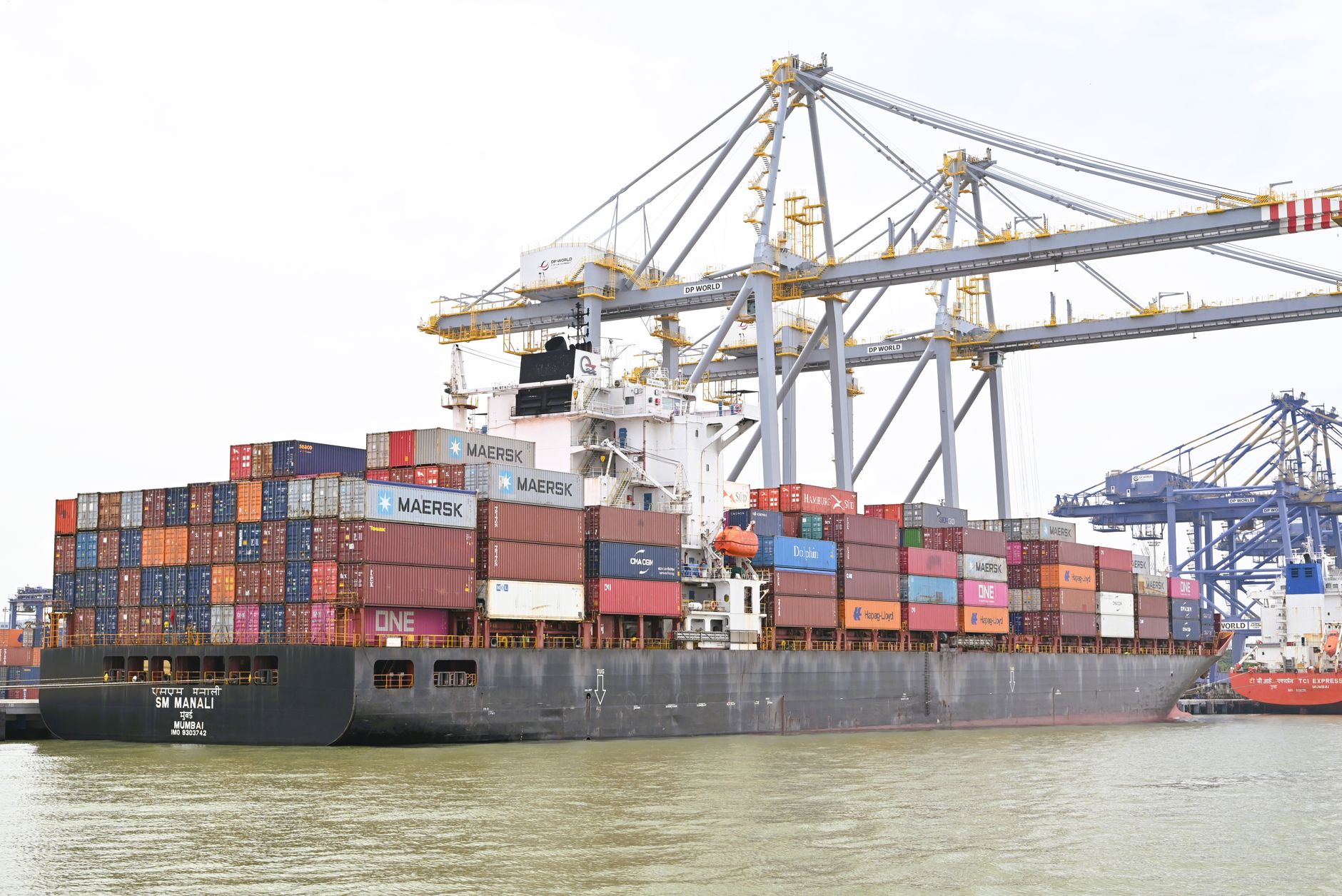
- Infrastructure Development: Investments in logistics and infrastructure upgrades, including ports and transportation networks, have reduced the time and cost associated with exporting goods.
- Regulatory Reforms: Simplifying compliance and reducing red tape has encouraged more businesses to engage in export activities, contributing to the overall surge in India’s exports.
These policy-driven transformations have not only propelled India’s record exports but also positioned the country as a key player in the global market.
Comparative Analysis with Previous Months
In recent months, India has seen a remarkable surge in its export figures, culminating in record exports reaching $50 billion in October. This significant leap showcases a positive trend when compared to previous months. For instance, exports in September totaled approximately $45 billion, indicating a robust month-on-month increase.
The comparative analysis reveals that the growth trajectory is not merely a one-off event but part of a consistent pattern. In July, the figure stood at around $42 billion, highlighting a steady upward movement over the past few months.
Several factors contribute to this impressive performance, including enhanced trade policies and a favorable global market. The focus on key sectors such as technology, textiles, and pharmaceuticals has also played a crucial role in driving India’s record exports.
Moreover, the government’s initiatives to streamline logistics and reduce trade barriers have further facilitated this growth. As a result, stakeholders are optimistic about maintaining this momentum in the coming months, potentially setting new benchmarks in India’s export history.
Sector-wise Export Performance
India’s record exports have significantly contributed to the growth of various sectors, showcasing the country’s diverse trade capabilities. In October, the export performance was notable across several industries:
- Engineering Goods: This sector saw a remarkable rise, driven by increased demand from global markets.
- Petroleum Products: Exports surged due to higher prices and demand, marking a substantial contribution to the overall export figures.
- Agricultural Products: The agricultural sector benefitted from favorable weather conditions and improved supply chains, leading to a notable increase in exports.
- Textiles and Apparel: With rising international orders, this sector has rebounded, reflecting India’s competitive edge in manufacturing.
- Pharmaceuticals: Consistent demand for medicines, particularly in emerging markets, has bolstered export numbers.
The diverse performance across these sectors illustrates the multifaceted nature of India’s record exports, highlighting the nation’s potential to further enhance its global trade presence.
Global Market Trends
The global market trends indicate a shifting landscape that has significantly influenced India’s record exports. As countries navigate through post-pandemic recovery, demand for various goods has surged, providing Indian exporters with unique opportunities.
Some key trends include:
- Increased Demand for Electronics: The global shift towards digitalization has led to a higher demand for electronic goods, positioning India as a key player in this sector.
- Growing Green Energy Sector: With a rising focus on sustainability, India’s renewable energy products are gaining traction in international markets.
- Resilience in Agricultural Exports: Agricultural products have seen a steady increase in demand, particularly in regions facing food security challenges.
- Enhanced Supply Chain Collaboration: Global supply chains are becoming more interconnected, allowing Indian manufacturers to tap into new markets.
These trends not only contribute to India’s record exports but also enhance the nation’s position in the global trade ecosystem, showcasing its potential as a manufacturing hub.
Future Projections for Exports
As India experiences record exports, analysts are optimistic about the future trajectory of the country’s trade performance. Projections indicate that India’s record exports could continue to rise, driven by several key factors.
Firstly, the government’s commitment to enhancing infrastructure and logistics is expected to streamline supply chains, enabling exporters to reach global markets more efficiently. Additionally, ongoing trade agreements with various nations are likely to open new avenues for Indian products, fostering international collaborations.
Moreover, sectors such as technology, pharmaceuticals, and textiles are poised for growth, as demand for Indian goods expands in emerging markets. Analysts suggest that continued innovation and focus on quality will further bolster India’s export capabilities.
However, challenges remain, including fluctuating global demand and trade barriers. It will be crucial for policymakers to adapt to these changes to sustain the momentum of India’s record exports.
In summary, while the outlook is promising, a strategic approach will be essential to navigate the complexities of the global market and secure sustained growth in the export sector.
Conclusion on Export Strategies
In conclusion, India’s record exports illustrate the effectiveness of strategic policies and adaptive measures implemented by the government and exporters alike. The remarkable achievement of reaching $50 billion in October not only showcases the resilience of Indian industries but also highlights the importance of continued focus on key sectors.
To sustain and build on this success, several strategies must be prioritized:
- Investment in Infrastructure: Enhancing logistics and port facilities can significantly reduce costs and improve efficiency.
- Trade Partnerships: Fostering relationships with emerging markets can open new avenues for Indian goods.
- Skill Development: Equipping the workforce with necessary skills will help maintain product quality and competitiveness.
- Innovation and Technology: Embracing technology in production and supply chain management can lead to more efficient processes.
As India navigates the complexities of the global market, leveraging these strategies can ensure that the momentum of record exports is not only maintained but also expanded, ultimately contributing to the nation’s economic growth.
Photo by Ankittt Bhattacharjee on Pexels
Read the original
Related stories
Stellar price prediction: Worst drop before Bell upgrade · ATA Carnet Rules: Clear Changes for Temporary Imports · AI Natural Gas Ambitions: Worst Billion-Dollar Loss Impact